


Wok cooking is all about heat, timing, and movement. With the right technique, simple ingredients turn into crispy vegetables, juicy meat, and bold flavors that taste just like your favorite Asian restaurant dishes.
The secret behind great wok recipes isn’t complicated ingredients — it’s mastering the basics.
If you already have your wok burner ready, now it’s time to master the flame. Here are the five golden rules every wok enthusiast should know before firing up the wok.

Why wok cooking is unique
Traditional wok cooking uses extremely high heat and fast cooking techniques to create intense flavor and texture in just a few minutes.
Unlike ordinary frying pans, a wok spreads heat quickly and allows ingredients to cook evenly while staying crisp and fresh. This is also how you create the famous “wok hei” — the smoky flavor found in authentic Asian cooking.
Once you understand the fundamentals, wok cooking becomes one of the fastest and most enjoyable ways to cook at home.
The 5 golden rules for wok cooking
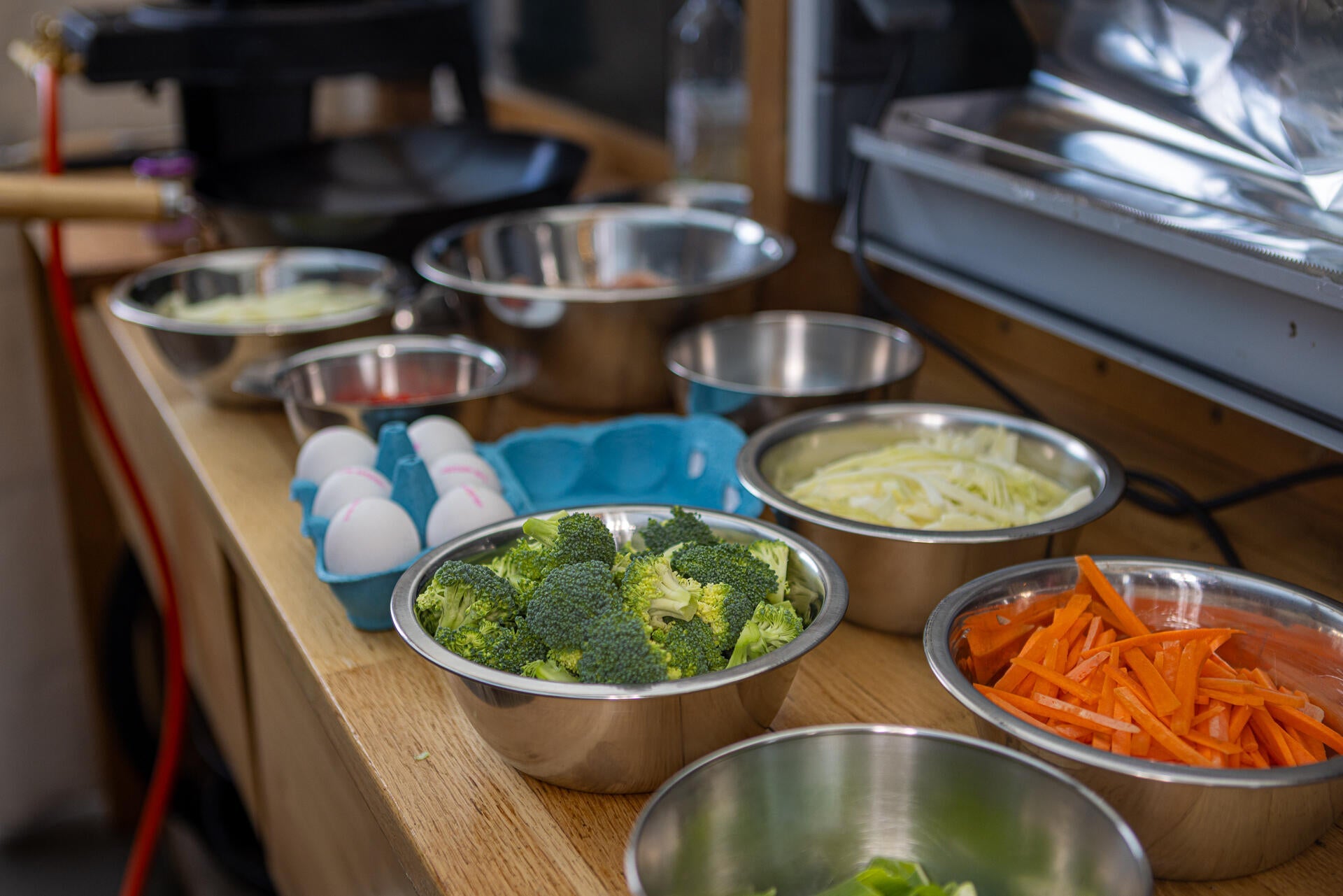
1. Prepare everything before you start
In wok cooking, preparation is everything.
Professional chefs call it “mise en place,” which simply means having every ingredient sliced, measured, and ready before turning on the heat.
Once the wok burner is fired up, the cooking moves fast. There’s no time to chop vegetables or mix sauces while ingredients are cooking.
Prepare:
- Meat and proteins
- Vegetables
- Sauces
- Noodles or rice
- Garnishes and toppings
Good preparation creates better timing and better results.
2. Use extremely high heat
Authentic wok cooking depends on high heat.
Allow the wok to become very hot before adding oil. The oil should shimmer lightly before proteins hit the surface.
High heat creates:
- Better searing
- Crispy textures
- Faster cooking
- More flavor
- Authentic wok hei
If the wok is too cold, ingredients will steam instead of fry.

3. Cook in small portions
One of the most common mistakes in wok cooking is overcrowding the wok.
Too much food lowers the temperature instantly and prevents ingredients from frying properly.
Instead:
- Cook meat in small batches
- Remove proteins before cooking vegetables
- Combine everything at the end
This keeps vegetables crisp and meat perfectly caramelized.
4. Follow the correct cooking order
Timing matters in every wok recipe.
A simple rule is:
- Cook proteins first
- Remove them from the wok
- Stir-fry vegetables
- Add noodles or rice
- Finish with sauce
- Combine everything together
Cooking in the right order prevents overcooking and keeps every ingredient fresh and flavorful.
5. Keep everything moving
Wok cooking is active cooking.
Ingredients should constantly move across the hot surface to avoid burning and ensure even cooking.
Use a wok spatula or ladle to toss and stir ingredients continuously while cooking over high heat.
The constant movement helps distribute heat quickly while maintaining texture and freshness.
Wok recipes to practice your skills
Once you master the basics, almost any wok recipe becomes easier and more flavorful.
Here are some classic dishes perfect for practicing wok cooking techniques.
Pad Thai
A classic noodle dish packed with sweet, salty, and tangy flavors.
Rice noodles are quickly stir-fried with chicken or shrimp, egg, bean sprouts, peanuts, and fresh lime for a balanced and authentic meal.
Beef and Broccoli
A simple but powerful example of high heat wok cooking.
Thin slices of beef are seared quickly before being combined with crisp broccoli and a savory soy-based sauce.
Chicken Cashew
Chicken Cashew combines tender chicken, vegetables, roasted cashews, garlic, and rich sauce in a fast and flavorful stir-fry.
Perfect for beginners learning heat control and timing.
Fried Rice
One of the easiest and most versatile wok recipes.
Cold rice fried over intense heat creates the perfect texture while absorbing flavor from vegetables, egg, chicken, or shrimp.
Garlic Chili Shrimp
Shrimp cooks extremely fast, making it ideal for wok cooking.
Garlic, chili, lime, and fresh herbs create a quick and flavorful dish full of heat and freshness.
Common wok cooking mistakes
Even experienced home cooks can struggle with wok cooking at first.
Avoid these common mistakes:
- Using low heat
- Overcrowding the wok
- Adding sauce too early
- Not preparing ingredients beforehand
- Letting food sit still too long
Small adjustments make a huge difference in both texture and flavor.
Why a powerful wok burner matters
Authentic wok cooking requires serious heat.
Traditional kitchen stoves often struggle to reach the temperatures needed for real wok cooking. A powerful wok burner helps create:
- Faster cooking
- Better searing
- Crisp vegetables
- Authentic flavor
- Restaurant-style results
The higher the heat, the better the wok experience becomes.
Ready to master the flame?
Wok cooking is one of the fastest, most exciting ways to cook outdoors. Once you understand heat, movement, and timing, you can create endless variations of your favorite wok recipes.
Start with simple classics like Fried Rice or Chicken Cashew, then continue experimenting with new ingredients and flavors.
With the right technique and a powerful HOT WOK burner, authentic wok cooking is easier than ever.


